The Process of Coordinating Group Travel
Coordinating group travel can often be a complex task that involves numerous details and logistics. Understanding the process can help ensure a smooth and enjoyable experience for everyone involved.
Understanding the Basics
Group travel coordination typically involves several key steps, including planning, organizing, and executing the trip. According to industry experts, the first stage usually requires establishing clear objectives and preferences from all participants. This process works because understanding the group's needs and expectations is essential for developing a successful itinerary.
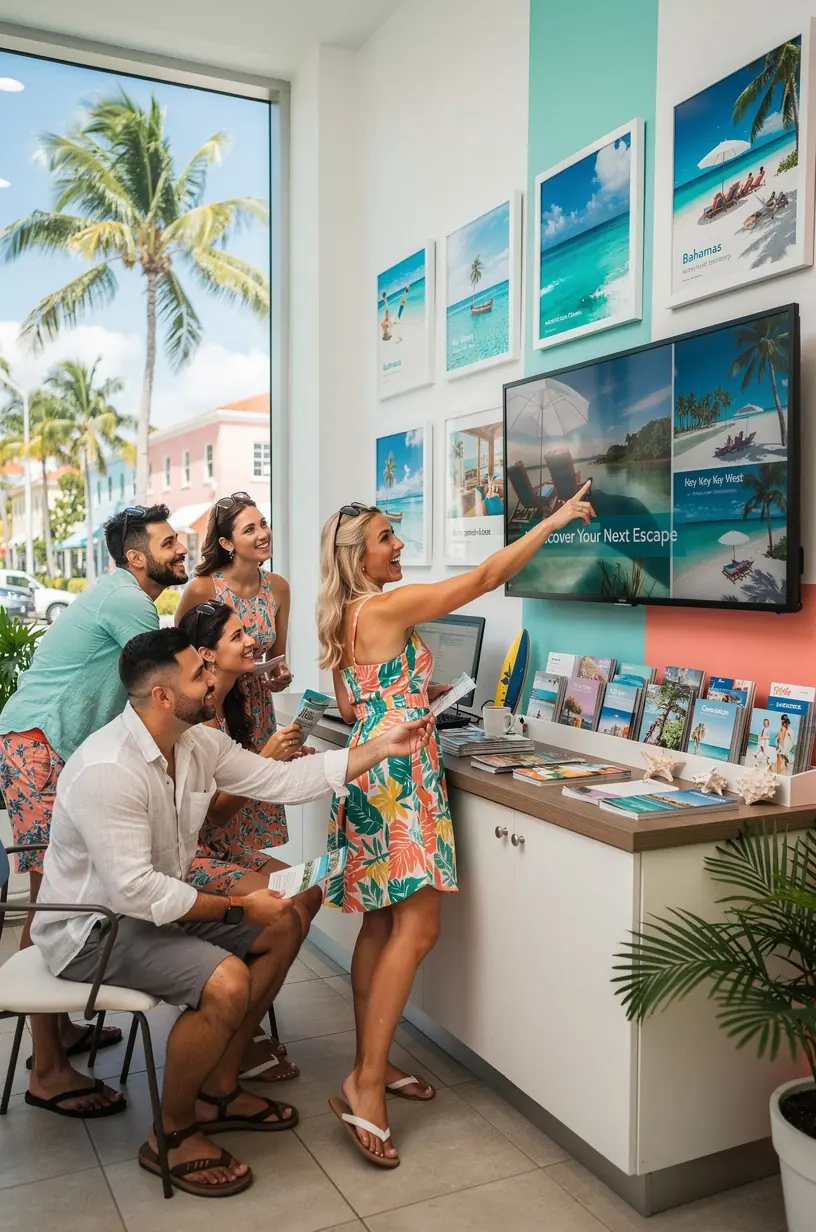
"Effective group travel planning primarily relies on communication and collaboration among all participants." - Travel Management Association
Step-by-Step Process for Coordinating Group Travel
- Gathering Information: Start by collecting input from all group members regarding their travel preferences, budget, and interests. This typically involves sending out surveys or holding meetings.
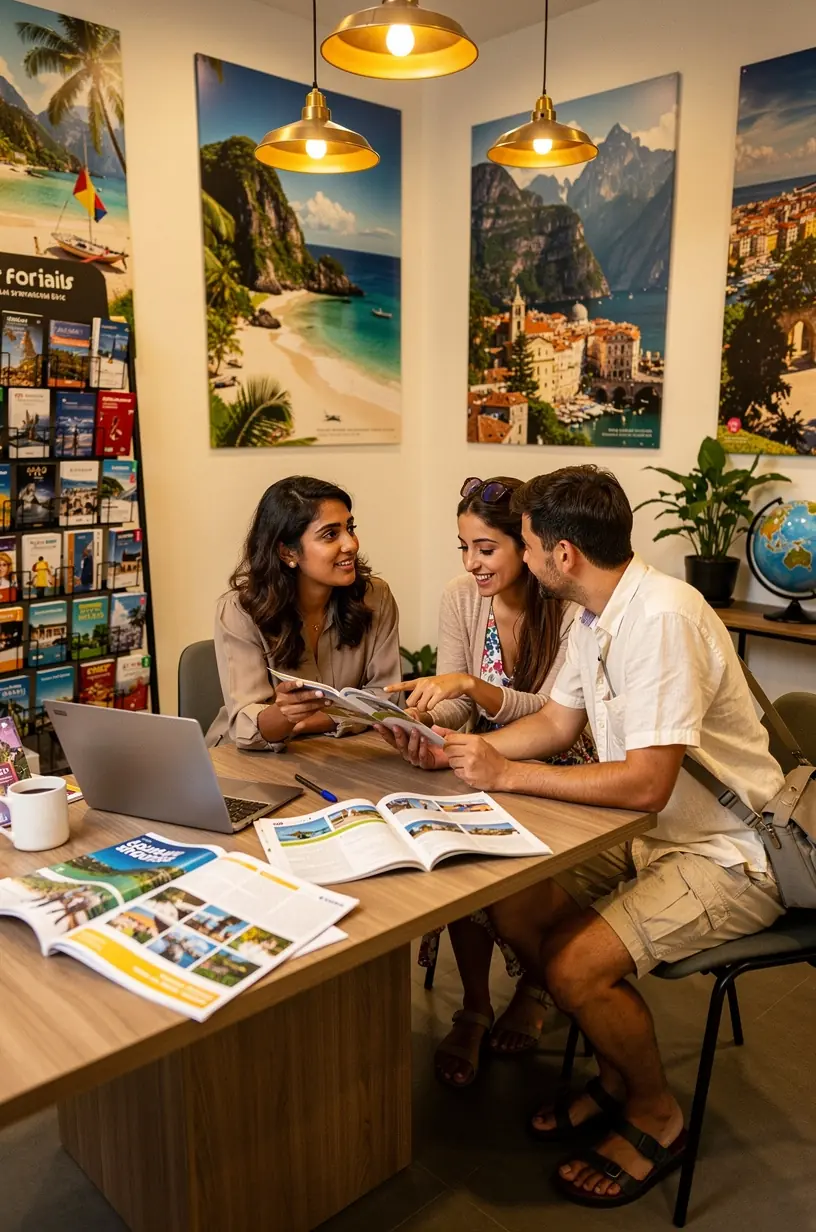
- Researching Options: Once you have the necessary information, research suitable destinations and activities. Many users report that using offline travel planning centers can streamline this process, as they often provide tailored recommendations based on group interests.
- Creating an Itinerary: Develop a detailed itinerary that outlines travel dates, accommodations, activities, and transportation. In most cases, including a mix of structured activities and free time helps cater to different preferences.
- Budgeting: Calculate the total estimated cost per participant, considering all aspects of the trip. This step helps ensure that everyone is on the same page financially and prevents surprises later on.
- Coordinating Logistics: Handle the booking of flights, hotels, and activities. This often takes about 2-4 weeks to finalize, as it requires confirming availability and making any necessary adjustments.
- Communicating with the Group: Keep everyone informed throughout the process, providing updates and addressing any questions or concerns that arise.
Best Practices for Success
Implementing best practices can significantly improve the group travel experience:
- Flexibility: Be prepared to adapt plans as needed. Flexibility is often crucial, especially when dealing with large groups, as individual preferences may change.
- Designate a Leader: Choosing a point person for communication can streamline coordination and reduce confusion.
- Utilize Professional Services: Many travel planning centers offer consultation services that can assist with logistics and itinerary development, which may alleviate some of the burdens of planning.
Acknowledging Limitations
It is important to acknowledge that coordinating group travel can be time-consuming and often requires a commitment from all participants. Many users find that having one or two dedicated planners helps distribute the workload more effectively.
Conclusion
Coordinating group travel is a multifaceted task that, when approached with careful planning and communication, can result in a memorable experience for all participants. By following a structured process and utilizing available resources, you can simplify the complexities involved. Remember, clear expectations and flexibility are key components that can enhance group travel coordination.
Learn More